Tokyo’s Transparent Toilets: A Design Experience You Didn’t Expect on Your Trip
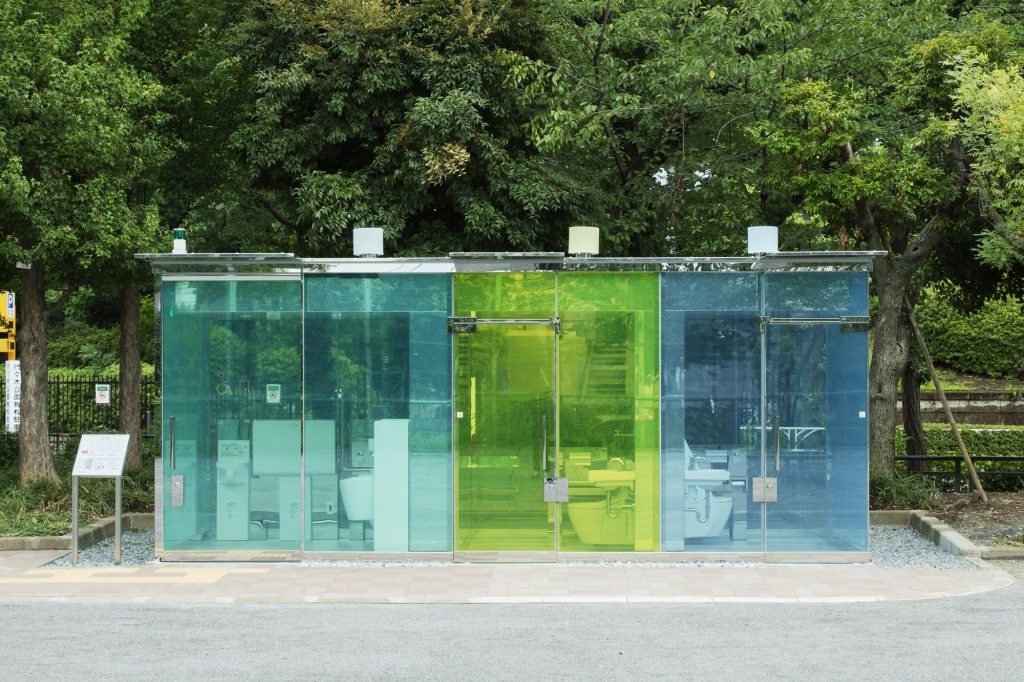
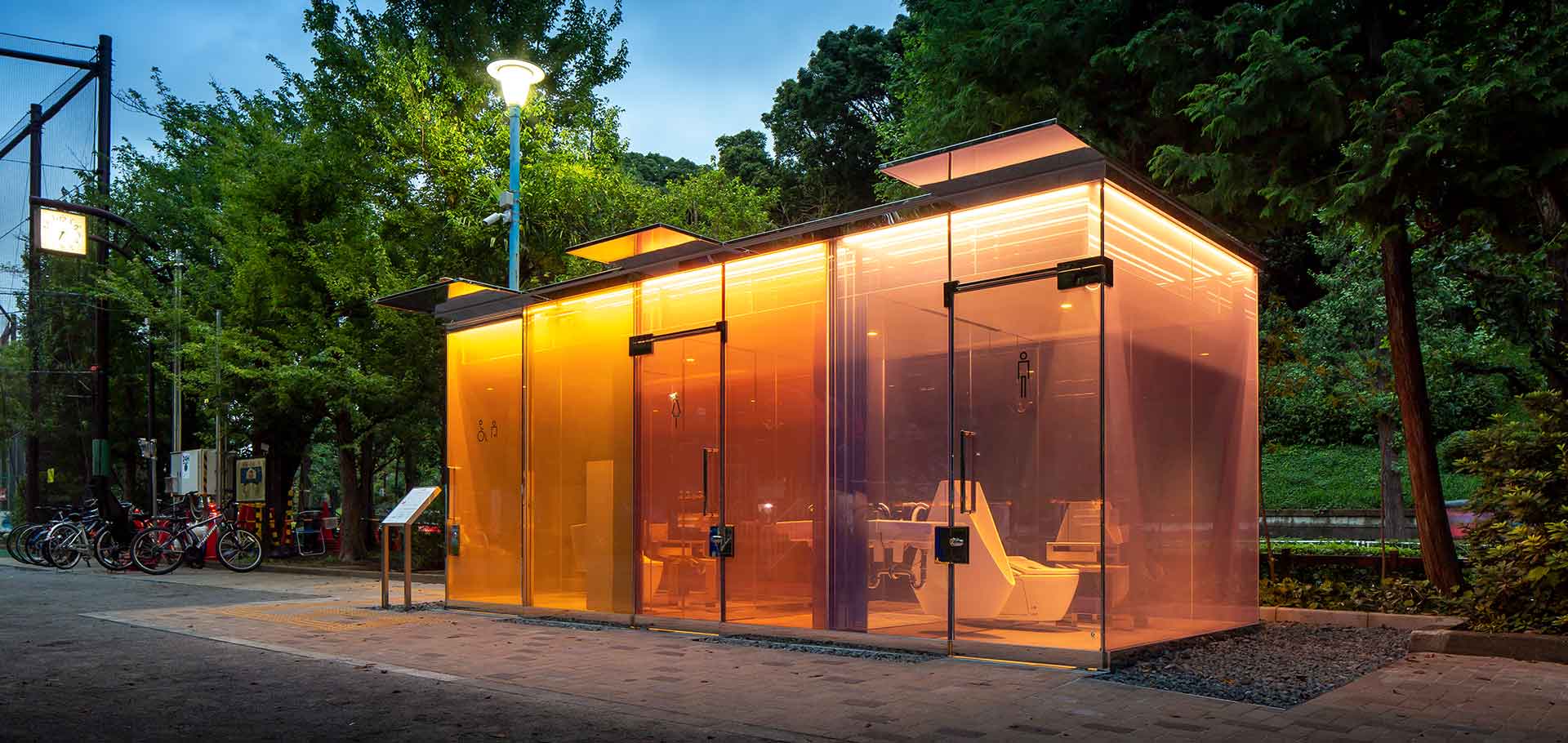
When planning a trip to Tokyo, public toilets are probably not high on your must-see list. Yet in the Japanese capital, even a restroom can become an unforgettable travel experience. In some of Tokyo’s parks, public toilets are completely transparent until you step inside. Strange? Perhaps. Fascinating? Absolutely.
This surprising concept was created by Shigeru Ban, one of Japan’s most innovative architects and winner of the Pritzker Prize. His idea transforms an everyday necessity into a moment of curiosity, design appreciation, and cultural discovery, making it perfect for travelers who love exploring the city beyond its usual landmarks.
Why Transparent Toilets Actually Make Sense
For visitors wandering through Tokyo’s green spaces, two questions naturally arise before using a public restroom: Is it clean? And is it occupied? Transparency answers both instantly. From the outside, you can clearly see whether the space is spotless and empty.
The magic happens when you close the door. Thanks to smart-glass technology, the walls instantly turn opaque, guaranteeing total privacy. It’s a clever solution that reflects Japan’s ability to combine technology, practicality, and aesthetics, something travelers notice everywhere, from bullet trains to vending machines.
A Nighttime Stop Worth Adding to Your Itinerary
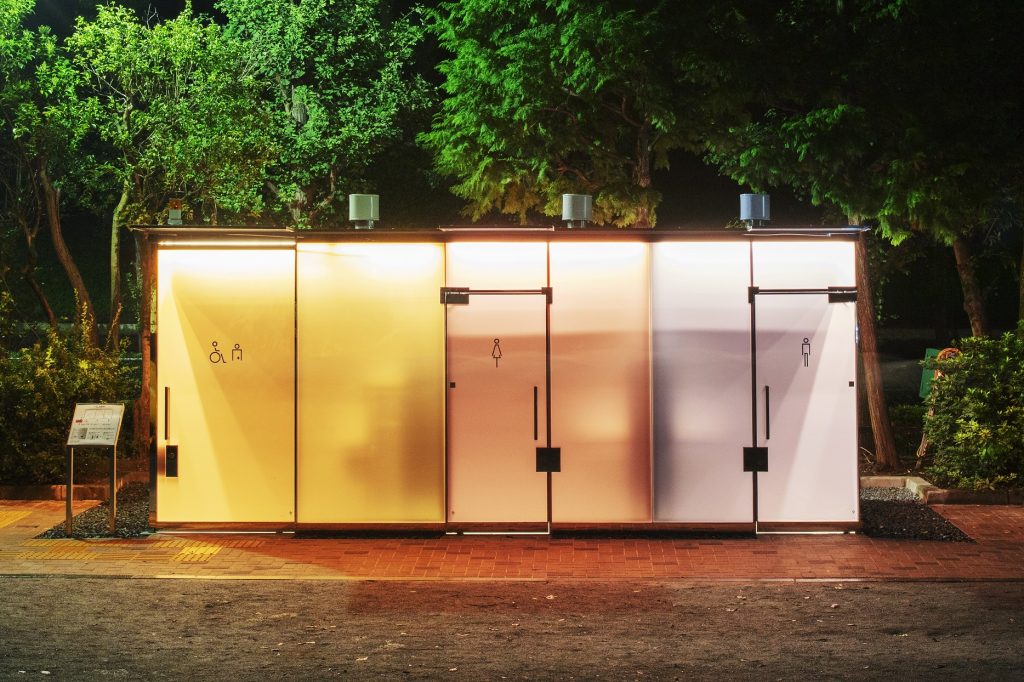
Located in Yoyogi Fukamachi Park and Haru-no-Ogawa Park, these toilets come in bold shades of blue and orange. At night, they glow softly like lanterns, lighting up the park paths and creating a surprisingly photogenic scene.
If you enjoy evening walks in Tokyo, this is a small but memorable detour worth taking. The illuminated structures are easy to spot and add a futuristic, almost cinematic atmosphere, ideal for travelers who love discovering unusual corners of the city after dark.
The Tokyo Toilet Project: A Design Trail Through Shibuya
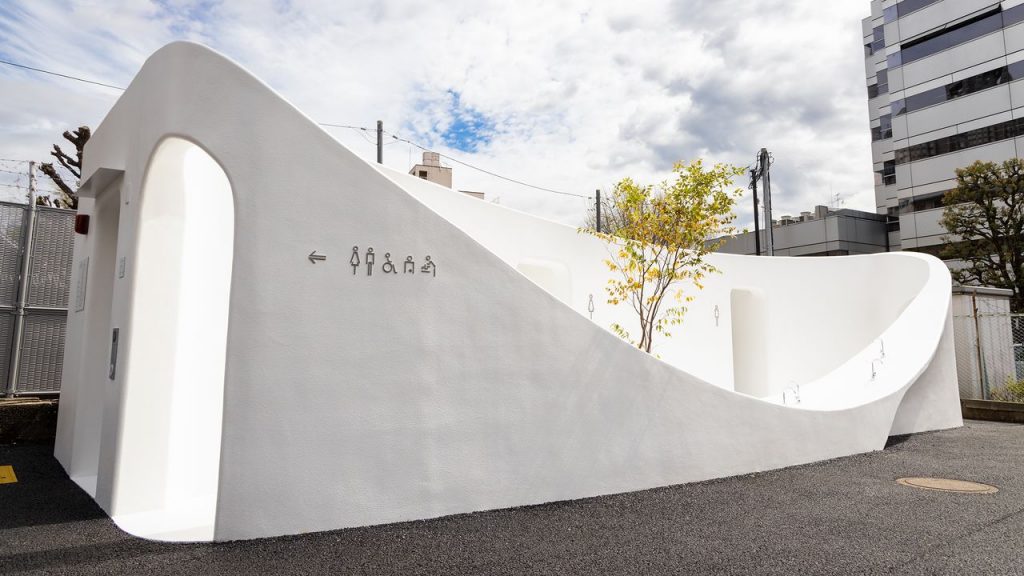
These transparent toilets are part of The Tokyo Toilet, an ambitious urban project supported by the Nippon Foundation. The initiative invited 16 renowned architects to redesign public toilets across 17 locations in the Shibuya area.
For travelers, this becomes an unexpected design trail. As you explore neighborhoods between Shibuya, Harajuku, and nearby parks, you’ll encounter toilets shaped like snow domes, mushrooms, bamboo groves, and minimalist pavilions. Among the designers involved are architectural stars such as Kengo Kuma, Sou Fujimoto, and Tadao Ando.
Following the Tokyo Toilet locations is a great way to explore the city on foot, discovering lesser-known parks and streets you might otherwise miss.
More Than Toilets: A Window into Japanese Culture
Japan’s attention to public toilets reflects a deeper cultural value: respect for shared spaces. Cleanliness is closely linked to Shinto traditions of purification and to everyday habits that travelers quickly notice, immaculate streets, orderly queues, and spotless public transport.
From high-tech washlets found in most homes to these designer toilets in city parks, Japan turns even the most ordinary experiences into something thoughtful and refined. For visitors, it’s a reminder that in Tokyo, innovation isn’t limited to skyscrapers and museums; it’s everywhere, even where you least expect it.
Travel Tip
If you’re exploring Shibuya or taking a stroll through Tokyo’s parks, keep an eye out for these designer toilets. They’re free to use, easy to find, and offer a uniquely Japanese blend of design, technology, and hospitality, proof that in Tokyo, even a bathroom break can become part of the journey.
Best Hostels in Tokyo, Japan
Other News about Tokyo, Japan