
Machu Picchu, A Traveller’s Guide to Peru’s Lost City of the Incas.
High in the Andes Mountains of Peru, wrapped in mist and mystery, Machu Picchu stands as one of the most breathtaking destinations on Earth. For travellers exploring South America, especially backpackers crossing Peru, this legendary Inca citadel is far more than a bucket-list landmark. It is an unforgettable experience that combines adventure, history, and extraordinary natural beauty.
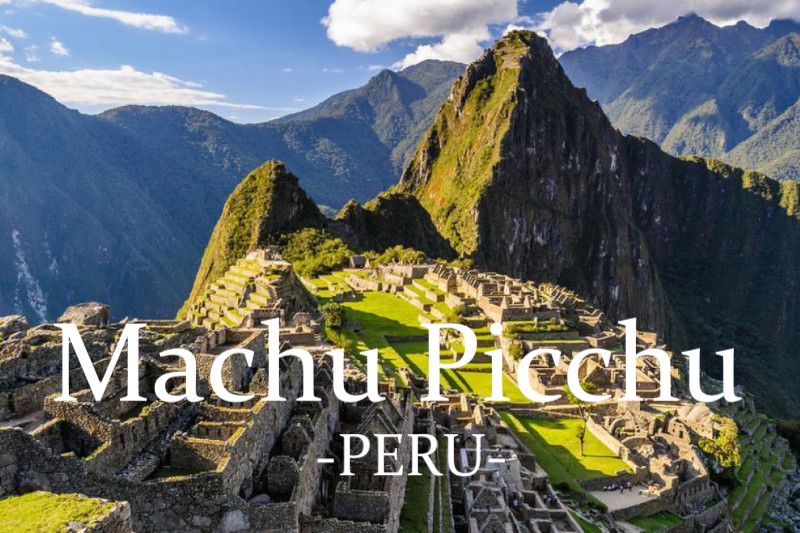
Built in the 15th century during the height of the Inca Empire, Machu Picchu is believed to have served as a royal estate or sacred religious site. Hidden from Spanish conquistadors and unknown to the outside world until 1911, it remains one of the most remarkably preserved archaeological complexes in the Americas. Perched at 2,430 meters above sea level, the citadel overlooks the lush Urubamba Valley and is surrounded by dramatic green peaks, including the iconic Huayna Picchu, which rises behind the ruins.
Walking through its stone terraces, temples, and stairways feels like stepping back in time. The precision of the stonework, built without mortar yet perfectly aligned, demonstrates the advanced engineering skills of the Inca civilization. The site’s layout also reflects a deep spiritual connection with the surrounding mountains and natural landscape, which the Incas considered sacred.
Most travellers begin their journey in Cusco, the former capital of the Inca Empire and one of South America’s most fascinating historic cities. From Cusco, visitors can reach Machu Picchu by train to Aguas Calientes, followed by a short bus ride to the entrance. This is the most comfortable and time-efficient option, offering spectacular views along the way.
For those seeking a more immersive adventure, the classic Inca Trail remains one of the world’s most famous multi-day hikes. Over four days, trekkers cross mountain passes, cloud forests, and archaeological sites before arriving at Machu Picchu through the Sun Gate at sunrise. Permits are limited and often sell out months in advance. Alternative routes such as the Salkantay Trek or the Inca Jungle Trek offer budget-friendly and equally scenic experiences, making them popular among hostel travellers.
The best time to visit is during the dry season from May to September, when skies are clearer and conditions are ideal for hiking. This period is also the busiest. The rainy season from November to March brings fewer crowds and greener landscapes, though weather conditions can be less predictable. Shoulder months such as April and October provide a good balance between pleasant weather and manageable visitor numbers.
Because daily visitor numbers are regulated, it is essential to book entrance tickets in advance. Arriving early allows you to experience softer light and quieter moments before the larger tour groups arrive. Only small backpacks are permitted inside the site, and passports are required for entry. Staying overnight in Aguas Calientes makes it easier to catch the first buses up the mountain.
Machu Picchu is not simply a place to take photos. It is a destination that invites reflection and wonder. When the morning mist slowly lifts to reveal the ancient stone city against a backdrop of towering Andean peaks, the sense of history and achievement is powerful. For many travellers, this moment becomes the highlight of their journey through South America.
Whether you arrive after days of trekking or step off a scenic train, Machu Picchu offers an experience that blends culture, adventure, and awe. It remains one of the New Seven Wonders of the World for good reason, and for anyone travelling through Peru, it is an essential and unforgettable stop.
Best Hostels in Machu Picchu, Peru